Empowering Wellness: A Comprehensive Guide to Cancer Care and Support
Navigating the emotional and physical labyrinth of cancer care can feel like embarking on a treacherous journey without a map. Every year, millions find themselves faced with a diagnosis that can shake their world to the core. Amidst the whirlwind of medical terminology and emotional storms comes a crucial question: How can we ensure we’re not only surviving but thriving in the face of cancer? Understanding the essential insights regarding oncology, treatment options, and cancer support can illuminate the path forward, offering guidance and hope throughout this challenging time.
Picture this: you’ve recently heard the words “you have cancer,” and suddenly, a haze of uncertainty and fear surrounds you. The market is overflowing with healthcare information, yet it often feels overwhelming. Perhaps you’ve taken a moment to ask yourself, 'What are my treatment options?' or 'What resources are available to support my journey?' Your oncologist can be your greatest ally. Forming a relationship where you feel empowered to ask questions and express concerns is vital in your navigational journey through cancer care.
Did you know that nearly 1 in 2 men and 1 in 3 women will receive a cancer diagnosis in their lifetime? Those statistics can feel daunting, but with disease awareness and cancer education, knowledge can become a powerful tool. Consider this: Cancer isn’t merely an individual battle; it is a community challenge. By engaging with patient resources and cancer support groups, you can find a network of individuals who understand your journey, providing not just companionship but invaluable insights along the way. Remember, the simple act of sharing your story can help someone else find their footing, too.
As you engage in conversations about cancer, let’s not overlook the significance of holistic health and wellness. Beyond immediate treatment options like immune therapy or potential participation in clinical trials, integrating healthy living practices is vital. Nutrition, exercise, and mindfulness can significantly contribute to quality of life and aid in survivorship. After all, wellness doesn’t merely entail surviving - it means thriving. How can you embrace these changes? Start small: perhaps integrate a 20-minute daily walk or explore introducing nutrient-rich foods into your meals.
Finally, as you navigate your journey, consider that palliative care is not just reserved for end-of-life scenarios; it plays a crucial role at any stage of cancer. It's an approach focused on improving quality of life and alleviating symptoms. Whether it’s finding relief from pain or managing anxiety around cancer symptoms, engaging in palliative care can enhance your experience and foster holistic healing. Remember, your personal health matters. Embrace these insights and empower yourself with knowledge, support, and community. Together, we can redefine what it means to navigate cancer care, transform fear into hope, and emerge stronger than ever.
Building a Supportive Network: Resources for Patients and Families Facing Cancer
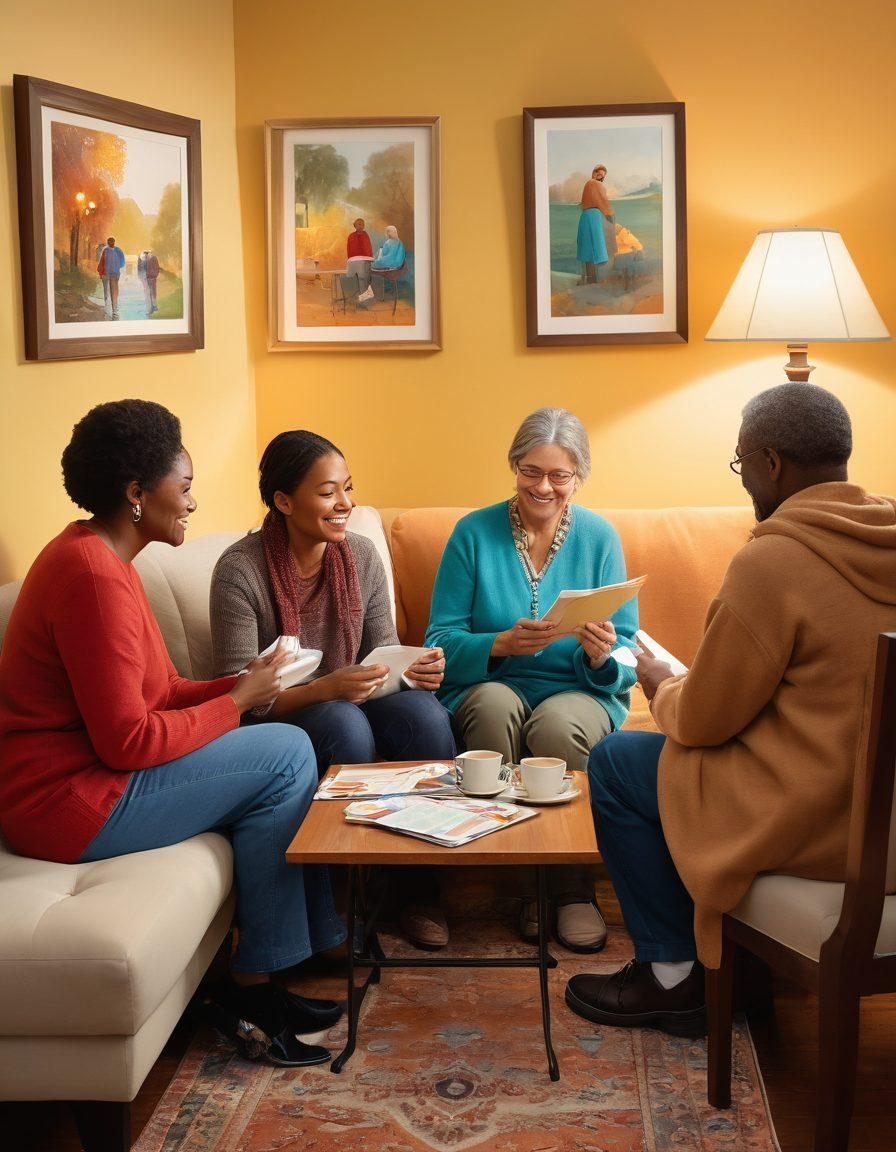
Navigating the turbulent waters of a cancer diagnosis can feel overwhelming, not just for patients but also for their families and friends. As the term 'oncology' comes to the forefront, it's crucial to understand that cancer care goes beyond just treatments and medications. It encompasses a robust network of support, emotional wellness, and holistic health strategies. Imagine sitting in a brightly lit room surrounded by loved ones while discussing the next steps in your cancer care journey—doesn't that sound comforting?
A supportive network can make all the difference during the challenging times of illness. When facing cancer, the importance of connecting with loved ones and healthcare professionals cannot be underestimated. Research tells us that social support networks not only improve emotional health but also contribute to physical wellness. Whether it’s family who lends a listening ear, friends who organize meal trains, or support groups that foster shared experiences—each connection enriches the journey and empowers individuals in their fight against cancer. But let’s ask ourselves: who forms your support network, and how can you engage them more effectively?
One of the most beneficial resources for both cancer patients and their families is educational information about the disease. Resources such as medical blogs, wellness blogs, and cancer education websites serve as a library of knowledge for understanding cancer symptoms, treatment options, and even the latest clinical trials. Being well-informed about your condition helps demystify the entire process and fosters a sense of agency. Knowledge is power, and by sharing accurate healthcare information, you’re not just battling cancer but also building a foundation for disease awareness, cancer prevention, and survivorship.
Moreover, there’s growing recognition of the role emotional and mental wellness plays in cancer care. Integrating aspects of holistic health, including mindfulness practices, nutrition, and immune therapy, can provide significant benefits for patients. Making small lifestyle changes—like incorporating more fruits and vegetables into your diet or engaging in gentle exercises—can also elevate your quality of life. Have you considered how healthy living practices can be woven into your cancer support strategies?
Ultimately, building a supportive network is not only about getting through a diagnosis but thriving in the process. Caring for a loved one with cancer or supporting them into survivorship requires compassion, continued education, and a wealth of patience. Seek out resources that align with your values and needs; this may be through local support groups, online forums, or cancer centers offering palliative care. Remember, caring for individuals affected by cancer is a community effort, and together, we can change cancer statistics and perceptions one compassionate act at a time.
Holistic Approaches to Health: Enhancing Wellness Through Prevention and Education
In a world where cancer affects millions each year, the quest for holistic approaches to health has never been more vital. Many individuals hear the word 'oncology' and feel an immediate sense of dread—it’s associated with battles fought in treatment rooms, the pain of seeing loved ones suffer, and statistics that often seem grim. Yet, we are embarking on a journey to transform this narrative through emphasis on prevention, education, and healthy living. What if we could arm ourselves with knowledge and tools that not only help us navigate the turbulent waters of cancer care but empower us to reclaim our health?
Education is the first step in combating fear; understanding cancer can ease anxiety and open doors to meaningful conversations about care and survivorship. Imagine this: you're at a coffee shop, overhearing someone talk about the latest in cancer education and disease awareness. They're discussing the importance of knowing cancer symptoms—what if that knowledge helped you or a loved one identify a potential issue early? Many oncologists now emphasize that informed patients can make better decisions about their treatment options. By incorporating clinical trials and immune therapy into discussions, we can reshape lives and offer hope in times of uncertainty.
But it's not just about being informed; it’s about taking action. Consider simplifying your healthcare information search. Many experts agree that proactive health strategies are fundamental in cancer prevention. This means eating a balanced diet, engaging in regular exercise, and managing stress effectively are essential for maintaining a strong immune system. Whether through yoga, meditation, or outdoor activities, how can you recreate these practices in your daily routine? Resources abound in wellness blogs and medical blogs, so dive in and discover strategies that resonate with you.
The role of cancer support during treatment and survivorship cannot be overstated. Picture this: a community of people who share experiences, advice, and companionship as they navigate the difficulties of cancer care. Whether through forums, local support groups, or even social media channels, seek out your tribe. These networks can offer not just emotional solace but practical patient resources that empower you throughout your journey. Did you know cancer statistics show that individuals with solid support systems tend to have better treatment outcomes? Let's cultivate these connections, for they may prove invaluable when facing daunting challenges.
In conclusion, embracing a holistic health approach means looking at the bigger picture. It's about creating a lifestyle woven with awareness, prevention, and community support. So, as you venture into this insightful world of cancer awareness, dare to ask yourself: how can I optimize my personal health today? Together, let’s champion the cause of palliative care and the continuous evolution of cancer care to create a society where individuals not merely survive cancer but thrive in spite of it. Rest assured, each small change you make could lead to monumental shifts in both your life and those around you.